Kikola Nafi Font: A Designer’s Review
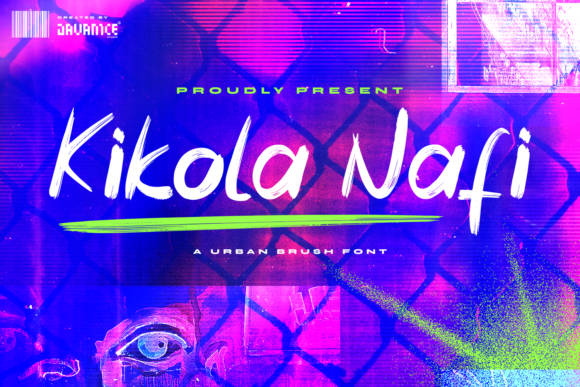
Kikola Nafi enters the crowded market of Script Handwritten Fonts with a distinct personality that feels less like a digital asset and more like a genuine human touch. I recently pulled this typeface into a branding project for a local artisanal coffee roaster who wanted to move away from the sterile, corporate minimalism that has dominated café design for the last decade. Opening a blank brand board, I needed something that could carry the weight of a logo while remaining playful enough for social media graphics. Kikola Nafi is a cool, brushed and adaptable handwritten font. It is perfect for any branding project such as logos, t-shirt printing, creative products, and more. It will look extraordinary in a variety of applications, but my initial test was strictly focused on whether it could hold its own as a primary logotype without losing legibility.
Testing Kikola Nafi for Logo Design and Brand Identity
When evaluating new Fonts for client work, the first hurdle is always the logo draft. Kikola Nafi, as a Script Handwritten typeface, offers a brushed texture that mimics the natural variation of ink on paper. In my recent project, I placed the font against a deep charcoal background to test contrast. The brush strokes are thick enough to remain visible at smaller scales, such as on a business card or a mobile app icon, yet they retain a delicate flair that prevents the design from feeling heavy. Unlike many script fonts that suffer from awkward connections between letters, Kikola Nafi maintains a fluid rhythm. This adaptability is crucial for brand identity systems where the logo must appear on everything from storefront signage to embroidered aprons. The font’s organic feel helped establish a brand perception of warmth and craftsmanship, which was exactly the emotional response the client wanted to evoke.
Kikola Nafi for Packaging Design and Product Labels
Moving from the digital screen to physical mockups, I tested how Kikola Nafi performs in packaging design. The prompt notes that Kikola Nafi is a cool, brushed and adaptable handwritten font. It is perfect for any branding project such as logos, t-shirt printing, creative products, and more. It will look extraordinary in a variety of contexts, and I found this particularly true for product labels. I applied the font to a kraft paper bag mockup for the coffee beans. The brushed edges of the letters interacted beautifully with the textured background, creating a tactile visual experience even in a digital render. For small business owners and handmade sellers, this is a significant advantage. The font does not require complex embellishments to look premium; its inherent character does the heavy lifting. However, designers should be mindful of size. While it works well as a headline or accent font on packaging, it is not suitable for long-form body text or ingredient lists, where a clean sans serif font would ensure better readability.
Using Kikola Nafi for Social Media Graphics and Web Headers
In today’s digital-first landscape, a font must perform equally well on Instagram stories and website hero sections. Kikola Nafi proves to be a versatile tool for content creators and marketers. I used it for a series of social media graphics announcing a seasonal blend. The font’s casual, relaxed vibe encouraged higher engagement because it felt personal rather than promotional. When paired with high-quality photography, Script Handwritten Fonts like Kikola Nafi add a layer of authenticity that stock typography often lacks. For web design, I recommend using it sparingly. It shines in H1 headers or call-to-action buttons but should be balanced with a neutral sans serif for navigation and body copy. This hierarchy ensures that the user’s eye is drawn to the key messages without sacrificing usability. The font’s adaptability means it can transition from a playful Instagram post to a sophisticated website banner without losing its core identity.
Font Pairing Advice and Technical Considerations
No font exists in a vacuum, and Kikola Nafi benefits greatly from thoughtful pairing. Because it is a expressive Script Handwritten style, it pairs best with structured, geometric sans serif fonts. In my project, I paired it with a modern, lightweight sans serif to create a contrast between the organic and the mechanical. This combination reinforced the brand’s message of "crafted quality with modern efficiency." Before finalizing any design, it is essential to review the included styles and file formats. Check if the font package includes alternates or ligatures, which can help customize the look and avoid repetitive letterforms in longer words. Additionally, always verify the commercial font licensing. Whether you are using Kikola Nafi for t-shirt printing, digital products, or client branding, understanding the license terms protects both you and your client from legal issues. Ensure the license covers the specific mediums you intend to use, such as print-on-demand merchandise or web embedding.
When to Avoid Kikola Nafi in Professional Design
While Kikola Nafi is a powerful tool for creative projects, it is not a universal solution. As a designer, I know that readability is paramount in certain contexts. This font is not suitable for formal corporate reports, legal documents, or any application requiring dense blocks of text. Its brushed, handwritten nature can become illegible at very small sizes or when printed on low-resolution devices. It is best reserved for display purposes, short phrases, logos, and accent elements. If a project demands strict neutrality or high-volume information delivery, a standard serif or sans serif font is a safer choice. However, for brands looking to stand out through personality and charm, Kikola Nafi offers a compelling alternative to generic typefaces. It invites the viewer to slow down and appreciate the detail, making it an excellent choice for boutiques, cafes, and creative studios.
Ultimately, Kikola Nafi is a reliable addition to any designer’s toolkit. It bridges the gap between professional polish and handmade charm, offering the flexibility needed for modern branding. Whether you are designing a logo, printing t-shirts, or crafting social media content, this font delivers a consistent and engaging visual voice. By understanding its strengths and limitations, you can leverage Kikola Nafi to create designs that resonate with audiences and elevate brand identity.